
Understanding the brain rot meaning has become essential if you’ve spent any time on TikTok, Discord, or YouTube Shorts lately — the phrase is everywhere, in comments, captions, and even the news.
This guide breaks down exactly what brain rot means, where it came from, how people use it today, and why it became one of the most talked-about words of the decade.
What Does Brain Rot Mean? (Brain Rot Meaning Explained)
At its core, brain rot describes two closely related things:
- Low-quality digital content — chaotic, repetitive, absurdist videos and memes that don’t require much thought to consume (think meme edits, nonsensical mashups, or endless short-form clips).
- The mental fog that comes from consuming too much of it — a feeling of sluggishness, reduced attention span, or “mush brain” that people jokingly (or seriously) blame on excessive scrolling.
So when someone says “this is brain rot,” they usually mean the content itself is silly, low-effort, or borderline nonsensical. When someone says “I have brain rot,” they mean they feel mentally foggy or hooked on that kind of content.
The term works as both a noun (“stop watching that brain rot”) and a verb-like phrase (“my brain is rotting from this app”), and its tone can shift from self-deprecating humor to genuine concern depending on who’s using it.
Quick Definition Table
| Aspect | Meaning |
| Part of speech | Noun (also used attributively as an adjective) |
| Core meaning | Mental dullness from overconsuming low-value online content |
| Tone | Ranges from playful/ironic to genuinely critical |
| Common users | Primarily Gen Z and Gen Alpha, now mainstream |
| Official recognition | Oxford Word of the Year, 2024 |
Where Does Brain Rot Come From?
Here’s the twist: brain rot is not a modern invention. The phrase dates back to at least the mid-1800s. Author Henry David Thoreau used a version of it in Walden (1854), lamenting a general decline in critical thinking, long before the internet existed.
The modern, viral version of the phrase re-emerged around 2023–2024, fueled by:
- TikTok’s algorithm-driven feed, which rewards short, addictive, low-effort videos
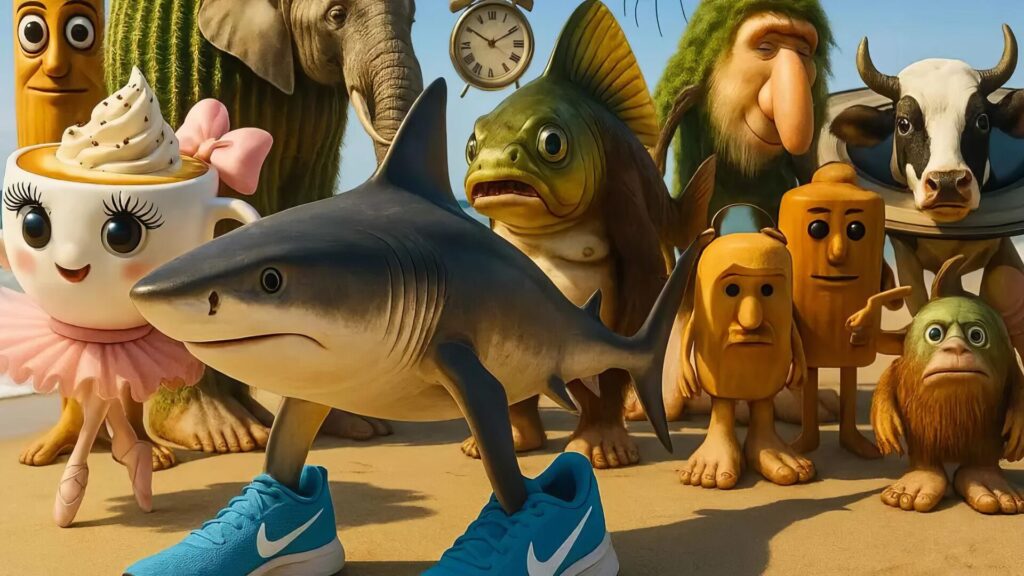
- Viral internet trends like Skibidi Toilet, meme-edit compilations, and absurdist humor formats
- Youth slang ecosystems on Discord and YouTube, which coined and spread related terms like “gyatt,” “rizz,” “sigma,” and “Fanum tax”
Usage of the term reportedly spiked well over 200% between 2023 and 2024, which is a big reason it caught the attention of dictionaries and linguists. In late 2024, Oxford University Press officially named “brain rot” its Word of the Year, beating out contenders like “demure” and “romantasy.” Oxford defined it as the supposed decline of someone’s mental state, especially from consuming excessive amounts of trivial online material.
Examples of Brain Rot in Everyday Use
Brain rot shows up differently depending on the context. Here are some common real-world examples:
- As a content label: “That whole compilation of exploding memes is peak brain rot.”
- As a self-aware confession: “I watched six hours of cooking fail videos last night — total brain rot moment.”
- As a generational identity: Some younger users proudly claim “brain rot” as part of their online culture, treating fluency in absurd slang as a badge of belonging.
- As a parental or media concern: Journalists, psychologists, and parents use the term more seriously to discuss shrinking attention spans and the effects of doomscrolling.
Common Brain Rot-Adjacent Slang
| Term | Rough Meaning |
| Skibidi | Nonsensical filler word, tied to a viral video series |
| Rizz | Charisma or flirting skill |
| Gyatt | Exaggerated reaction to a curvy figure |
| Sigma | A “lone wolf” or independently successful figure |
| Fanum tax | Taking a portion of someone’s food as a joke |
These words are often grouped together under the “brain rot” umbrella because they spread the same way: fast, meme-driven, and largely detached from formal language rules.
How Is Brain Rot Used Across Different Platforms?
Brain Rot on Roblox and Gaming Platforms
Within gaming communities — especially Roblox — “brain rot” content refers to games, skins, or characters built entirely around absurd, meme-heavy humor rather than traditional gameplay depth. Titles built around exaggerated, silly characters are sometimes affectionately (or mockingly) tagged as “brain rot games.”
Brain Rot in Comedy and Content Creation
Some creators intentionally lean into brain rot as a comedic style — chaotic editing, rapid cuts, meaningless catchphrases, and layered meme references. Here, “brain rot” isn’t an insult; it’s a genre.
Brain Rot as a Wellness Concern
On the flip side, health and wellness commentators use the term to talk about real concerns: shortened attention spans, digital burnout, and the compulsive nature of short-form video feeds. Several creators have built entire series around helping people cut back on brain rot consumption and reclaim focus.
Is Brain Rot a Real Mental Health Condition?
No — brain rot is not a clinical or medical diagnosis. It’s slang, not a psychiatric term. That said, it does informally echo real, researched concerns such as:
- Shortened attention spans linked to short-form video habits
- Compulsive or “doomscrolling” behavior
- A general sense of mental fatigue from constant content consumption
If you notice the feeling behind “brain rot” affecting your focus, sleep, or mood on a regular basis, it may be worth stepping back from screen time or talking to a professional — not because “brain rot” itself is dangerous, but because chronic overstimulation and reduced attention can be worth addressing.
Why Did Brain Rot Go Viral?
A few key factors explain why this term exploded in popularity:
- It’s relatable. Almost everyone who uses social media has felt mentally “fried” after a long scrolling session.
- It’s flexible. The phrase works as a joke, a genre label, an insult, or a genuine critique — all in the same sentence structure.
- It’s generational shorthand. For Gen Z and Gen Alpha, using the term signals cultural fluency and shared humor.
- Media and dictionaries amplified it. Once Oxford University Press crowned it Word of the Year, mainstream outlets picked it up, pushing it far beyond its original online niche.
Brain Rot vs. Similar Slang Terms
| Term | Meaning | How It Differs From Brain Rot |
| Doomscrolling | Endlessly scrolling negative news | Focused on negative news, not absurd humor |
| Slop | Low-effort AI-generated content | Refers specifically to content quality, not mental state |
| Terminally online | Being overly immersed in internet culture | Describes a person’s habit, not the content or effect |
| Brain rot | Low-value content and the mental fog from it | Covers both the content and the resulting mental state |
Final Thoughts
Brain rot has traveled a long way — from a 19th-century critique of intellectual decline to a defining piece of internet slang for an entire generation. Whether it’s used as a joke about a chaotic meme compilation or a genuine warning about digital burnout, the term captures something real about how we consume content today.
The best way to use “brain rot” correctly? Pay attention to tone. If it’s paired with humor and self-awareness, it’s probably a joke. If it’s paired with concern about attention spans or screen habits, it’s tapping into something more serious. Either way, it’s a phrase that’s here to stay — at least until the next viral term takes its place.
Frequently Asked Questions
What does brainrot mean in slang?
It refers to low-quality, repetitive internet content, or the mental fog and reduced focus that comes from consuming too much of it.
What is brainrot humor?
Brainrot humor is comedy built around absurd, chaotic, meme-heavy content that intentionally feels nonsensical or low-effort.
What does brainrot mean in a movie context?
A “brainrot movie” usually refers to a film or video that’s chaotic, meme-driven, or intentionally silly rather than substantive.
What does brainrot mean in Roblox?
On Roblox, brainrot refers to games or characters built around exaggerated, meme-style humor rather than traditional gameplay.
What are common brain rot symptoms?
People describe brain rot symptoms as mental fog, shortened attention span, and difficulty focusing after long stretches of scrolling.
Is brain rot a real medical condition?
No. It’s internet slang, not a clinical diagnosis, though it references real concerns like reduced attention and digital fatigue.
When did brain rot become popular?
It surged in usage between 2023 and 2024 and was named Oxford University Press’s Word of the Year in 2024.
Where did the term brain rot originate?
The phrase dates back to at least 1854, appearing in Henry David Thoreau’s Walden, though its modern viral use began around 2023.
